
Applications
Storage applications for every hazard class
Flammables, corrosives, oxidizers, batteries, paint, mixing, and spill containment — mapped to building features.
Request a Quote Design Your Storage Call 877-959-0747 Email the shop
The SDS and the fire code decide lining, ventilation, detection, suppression, and electrical class. Flammable liquids want NFPA 30 features. Corrosives want compatible interiors and segregation. Lithium batteries want a fire-rated strategy that assumes thermal runaway. Use this index to move from hazard to a building feature list, then send that list with a quote or open the online designer.
Hazard classes
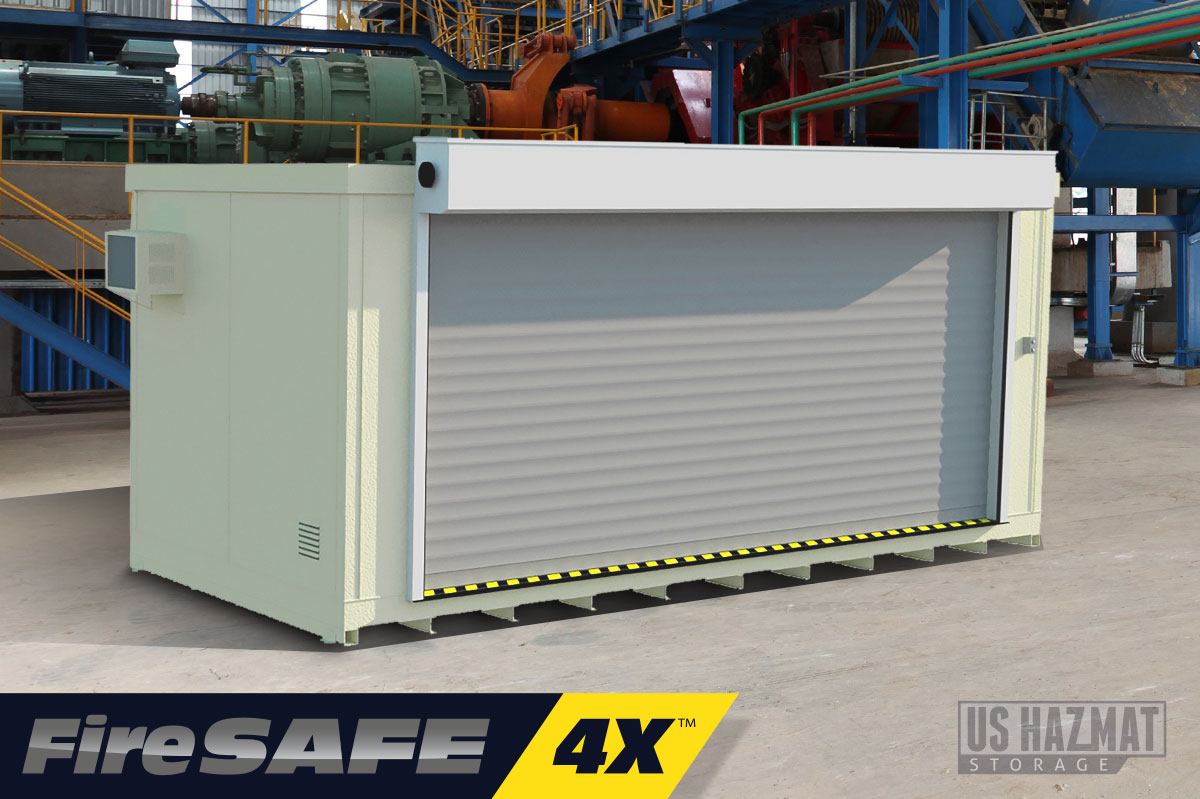
Flammable liquids
Class I–III liquids in listed rooms with sumps, ventilation, and fire protection.
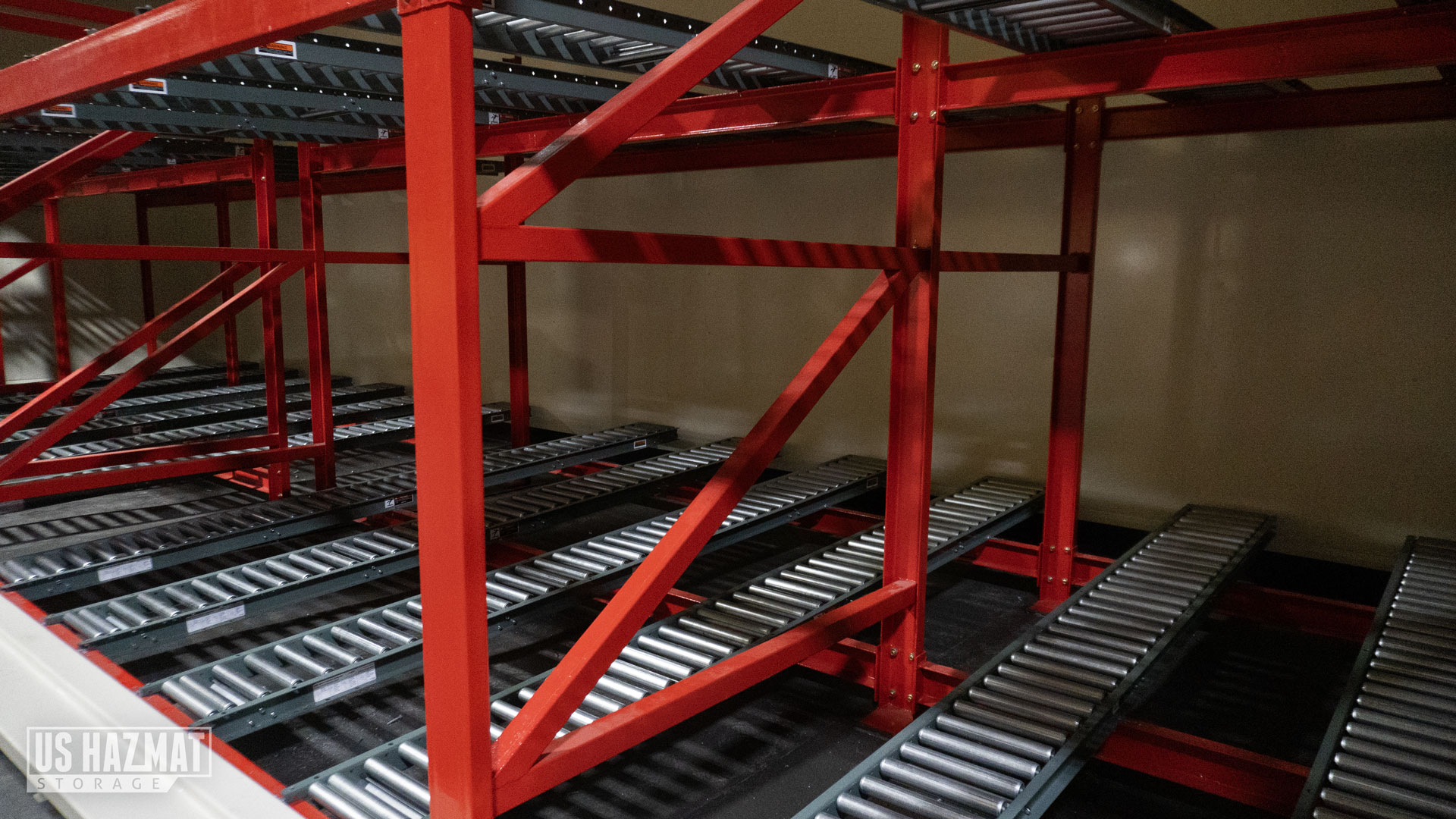
What flammable materials are
Flash-point language facility teams use when writing a specification.
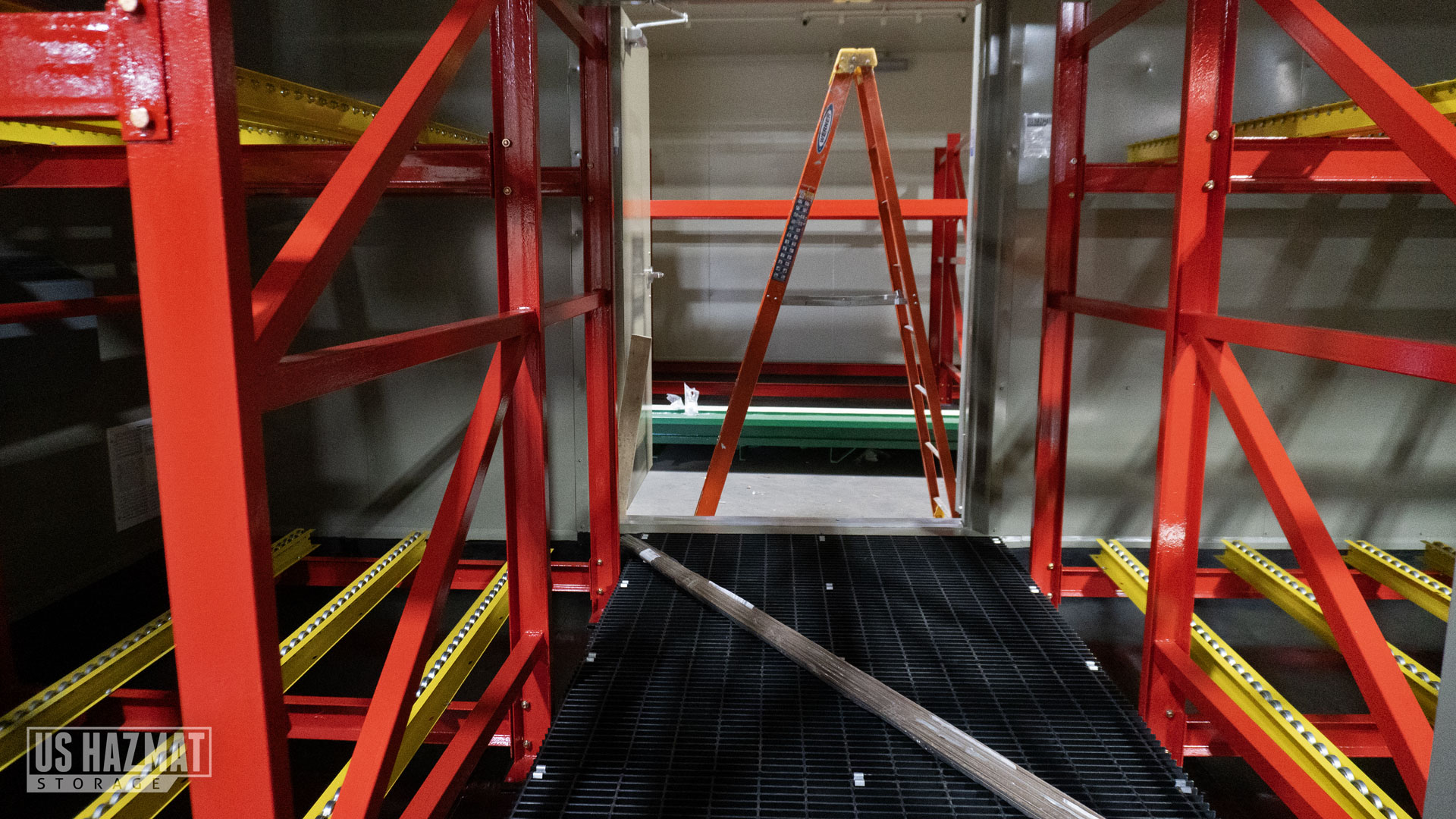
Corrosive chemical storage
Acid- and alkali-resistant interiors with segregation from flammables.
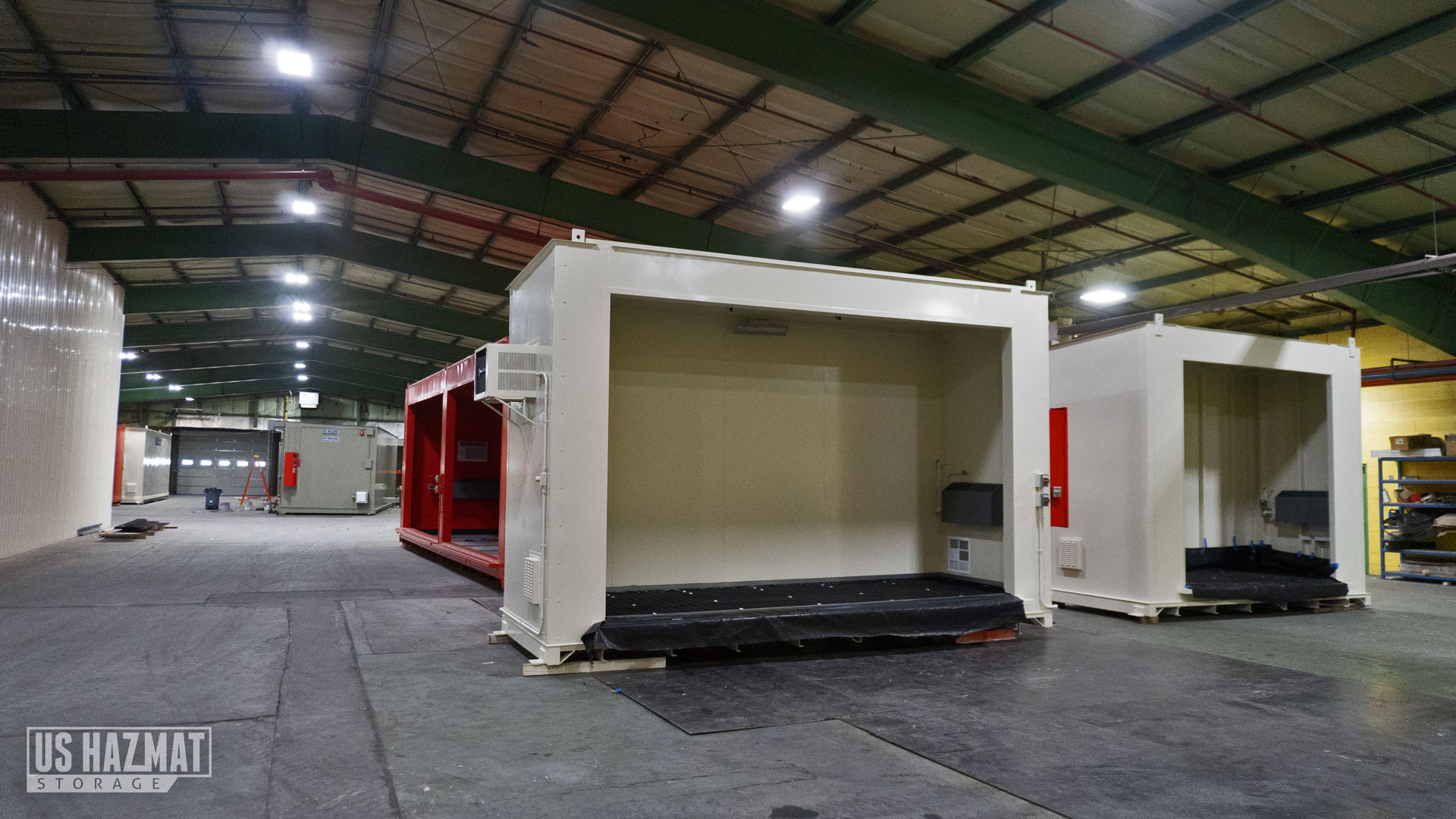
Oxidizers & reactives
Keep oxidizers isolated from organics with dedicated rooms and housekeeping rules.
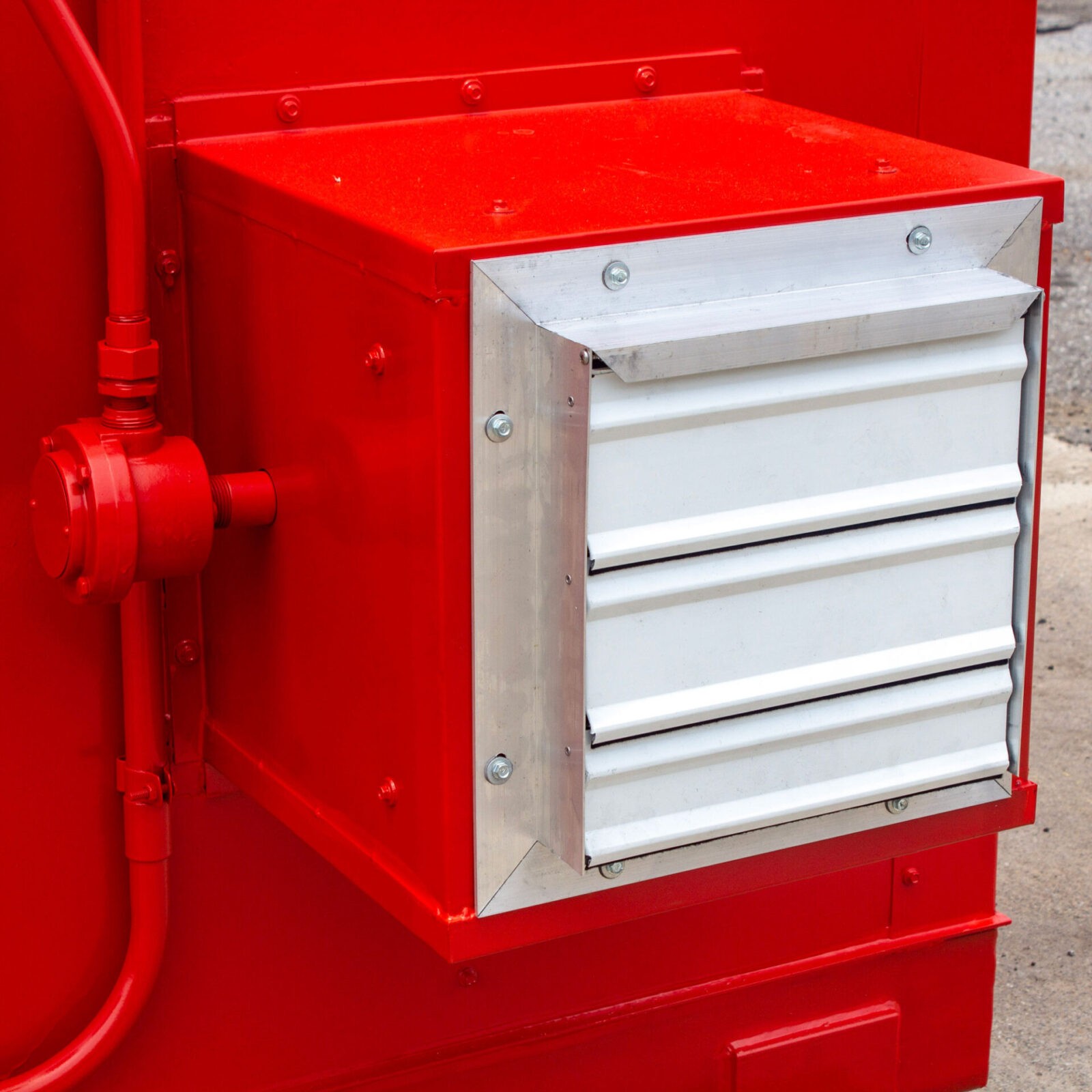
Organic peroxides
Temperature-aware storage for peroxide initiators and curing agents.
Toxic chemicals
Controlled access, ventilation, and spill response for toxic inventories.
Hazard classes & categories
GHS and DOT classes translated into building features.
Workflows
Paint storage
Paint kitchens and outdoor paint lockers with mixing-ready layouts.
Mixing & dispensing
Dispense halls with containment, bonding/grounding, and classified lights.
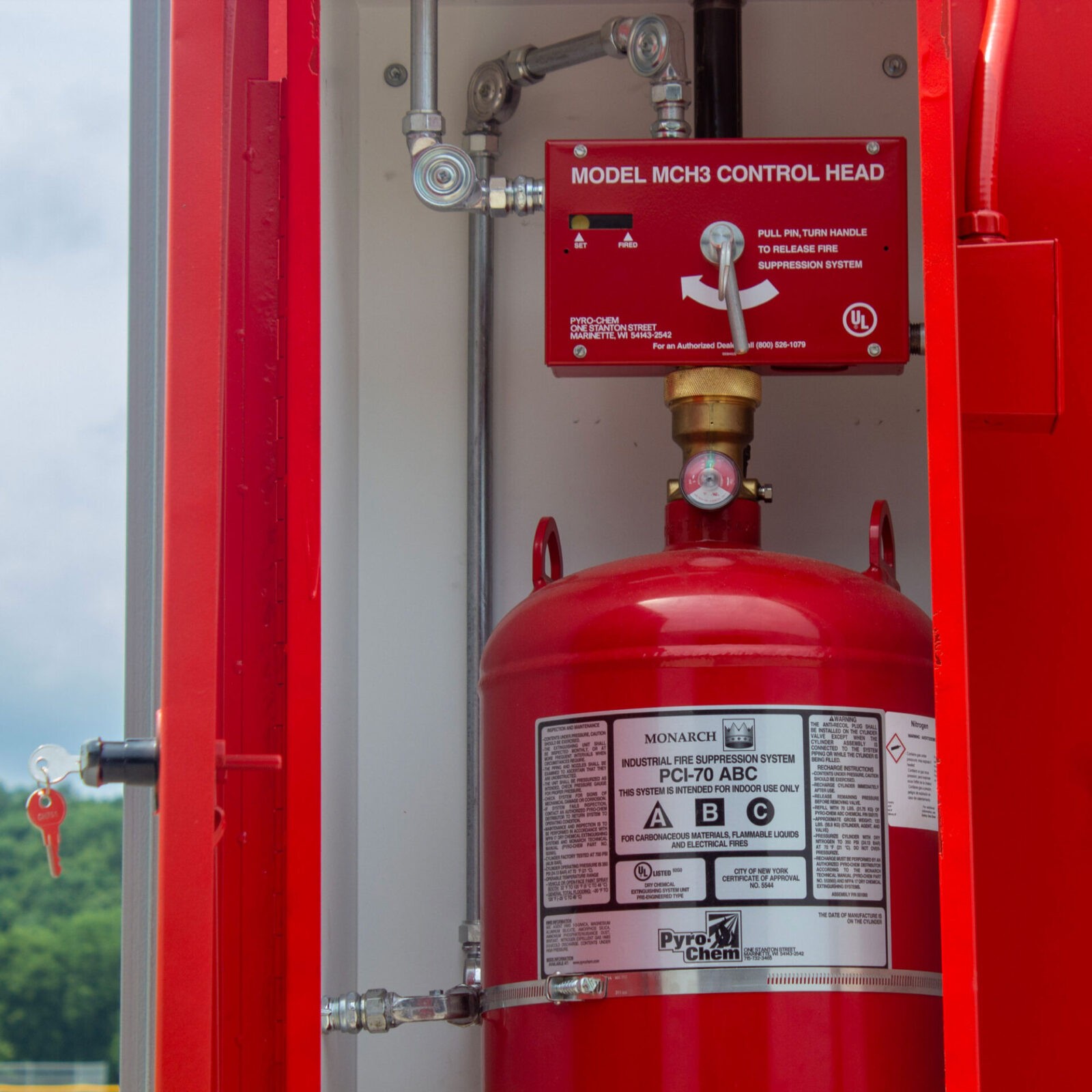
Lithium battery storage
Detection, suppression, and fire-rated construction for battery risk.
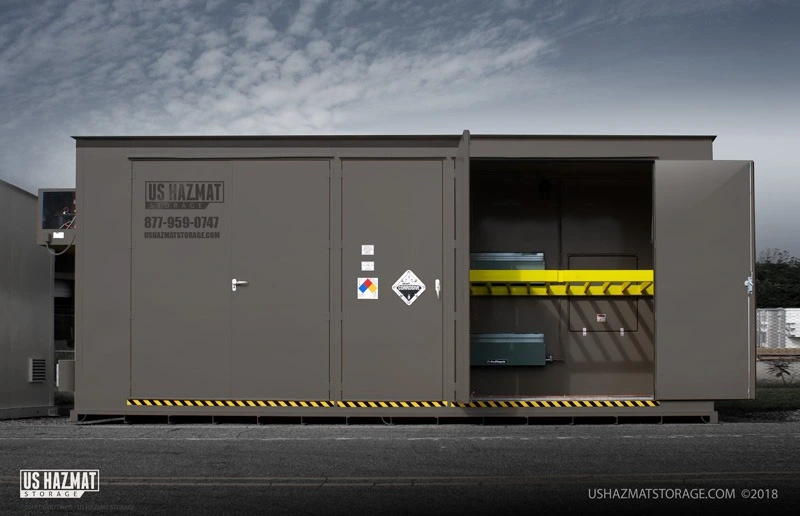
Explosive magazine storage
ATF-aware magazine construction for explosives and fireworks inventories.
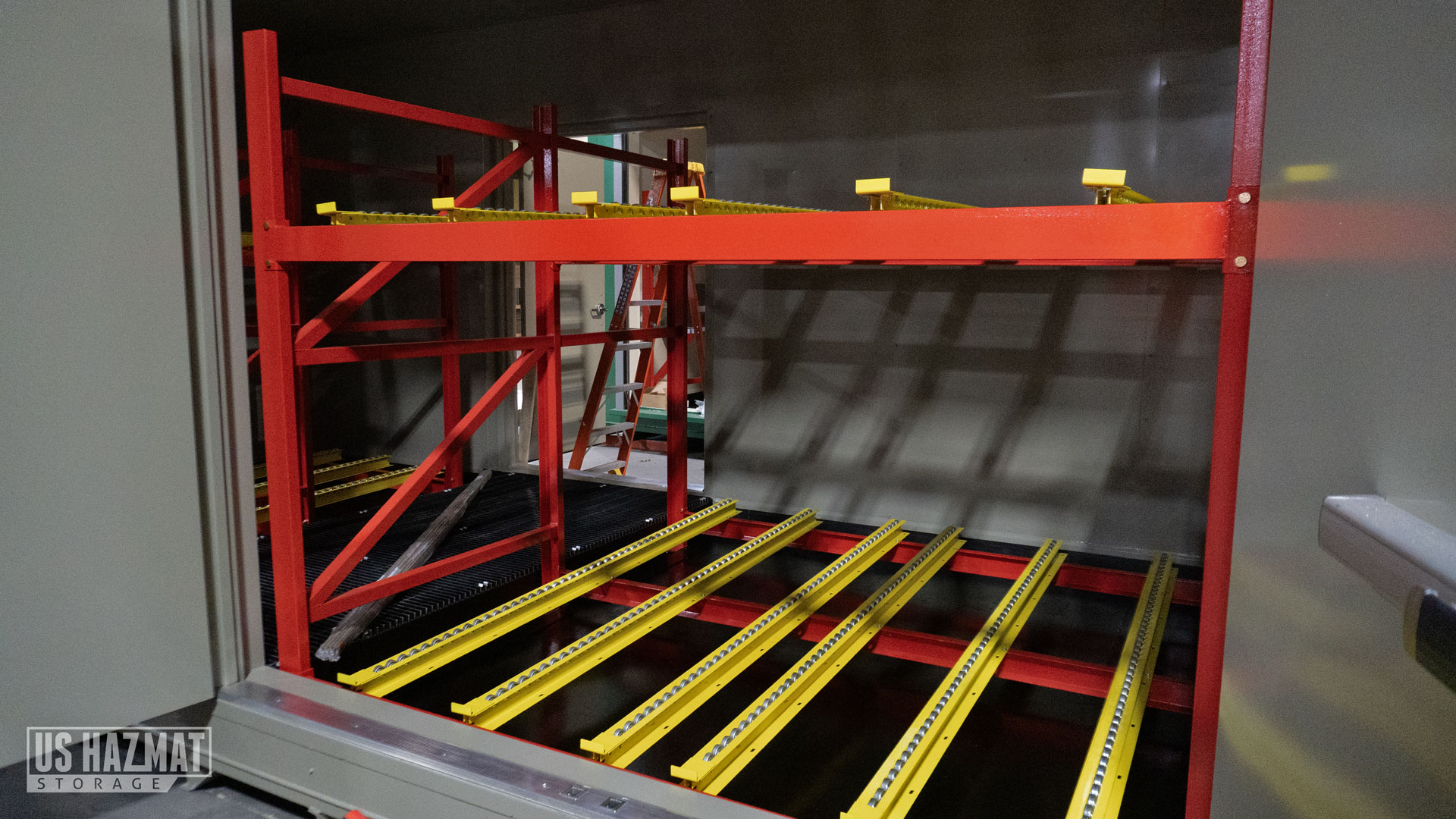
Spill containment
Sump volumes and bunded floors sized to the largest container plus rainfall.
Climate-controlled applications
Hold chemicals inside a specified temperature band year-round.
PFOS & PFOA storage
Dedicated containment for fluorinated chemistries under tighter scrutiny.
Questions facility teams ask
How do I know if I am storing flammable or combustible liquids?
Flash point and boiling point in the SDS, read against NFPA 30 and OSHA 1910.106, decide the class. When in doubt, treat the liquid as flammable and let engineering confirm.
Do mixing rooms need classified electrical?
If flammable vapors can be present during transfer or blending, the electrical package is typically specified for the classified location. We design that with the locker or building, not as an afterthought.