
NFPA 30 chemical storage becomes a serious planning issue when a facility needs to store flammable or combustible liquids in a way that can pass review, protect workers, and support daily operations. For many industrial sites, the question is not simply whether chemicals can be stored on-site. The real question is whether the storage setup gives the fire marshal, safety team, insurer, and operations manager enough confidence to approve and maintain it.
A permit review can expose problems that were easy to overlook during daily work. Containers may be too close together. Incompatible products may be stored in the same area. Spill containment may not match the inventory. Ventilation may be unclear. Access control may be weak. The building itself may not provide the fire rating, separation, or structural design the application requires.
That is why NFPA 30 chemical storage should be approached as a complete system. It is not only about buying a cabinet, locker, or building. It is about matching the chemical class, quantity, container type, site layout, fire risk, containment strategy, and local authority expectations.
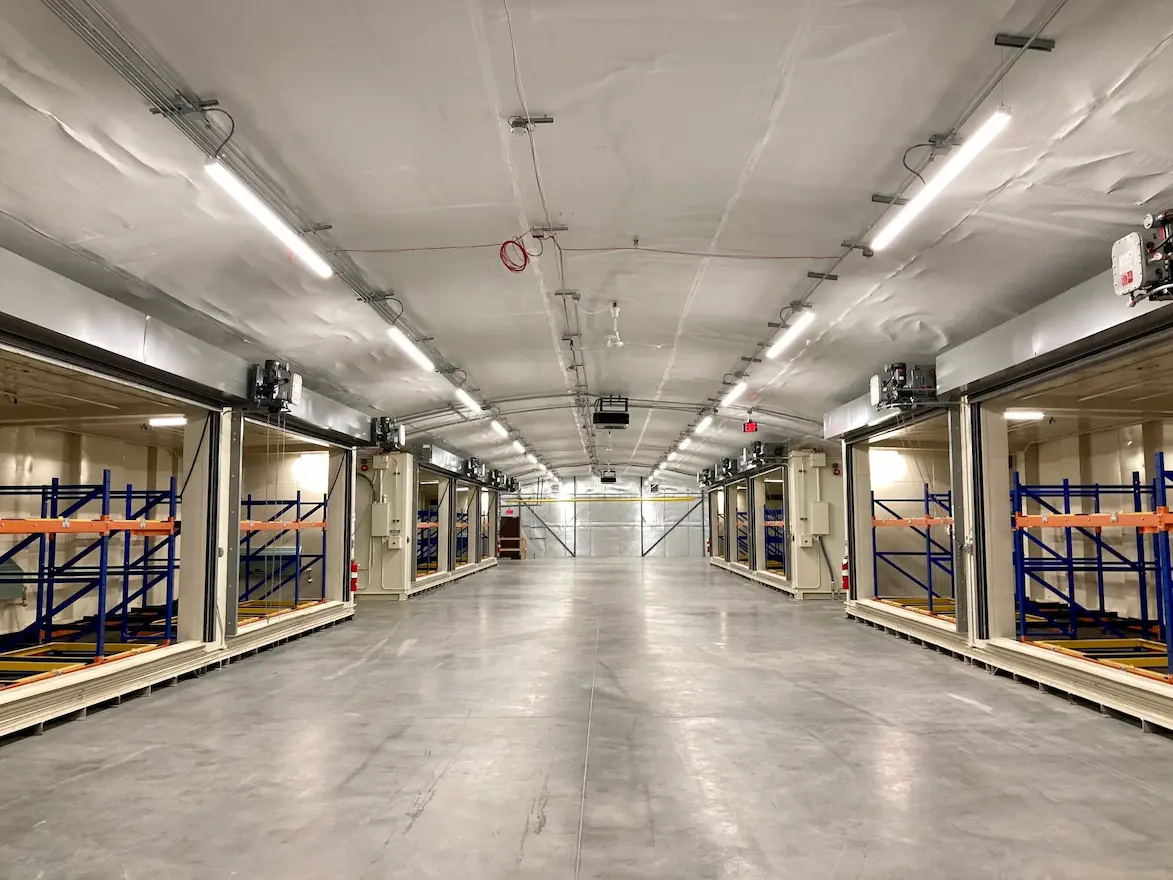
US Hazmat Storage supports this kind of planning with engineered chemical storage buildings designed around real industrial workflows, including fire-rated options, secondary containment, ventilation, access, and modular layouts.
Why NFPA 30 Chemical Storage Matters During Permit Review
NFPA 30 is widely used to guide the storage, handling, and use of flammable and combustible liquids. When a facility stores solvents, fuels, coatings, adhesives, cleaners, resins, paints, or similar liquids, NFPA 30 can become part of the review process used by authorities having jurisdiction, fire departments, insurers, and internal EHS teams.
Permit reviews often focus on whether the facility has reduced the risk of fire, vapor accumulation, spill spread, ignition exposure, and unsafe access. A storage area that looks organized may still create problems if it does not reflect the actual hazard profile of the chemicals inside.
NFPA 30 chemical storage planning may affect:
- Where liquids can be stored
- How much can be stored in one area
- Whether the building needs a fire rating
- How containers should be separated
- Whether ventilation is required or recommended
- How spills should be contained
- How ignition sources should be controlled
- How employees access and handle materials
- How emergency responders understand the storage area
The permit process is easier when the storage design tells a clear story. A reviewer should be able to see what is stored, why the building was selected, how the risk is contained, and how the facility plans to manage the area after approval.
NFPA 30 Is Not the Only Requirement to Consider
One common mistake is treating NFPA 30 as the only standard that matters. It is important, but it usually works alongside other requirements. OSHA rules, EPA hazardous waste regulations, local fire code, building code, insurance expectations, and company safety procedures may all influence the final storage decision.
For example, OSHA’s flammable liquids standard addresses workplace storage, handling, dispensing, design, and ignition control concerns for flammable liquids. EPA rules may apply when stored materials are hazardous waste rather than usable product. Local fire codes may also set limits or conditions based on occupancy, distance, quantity, fire protection systems, or emergency access.
This is why chemical storage permit requirements should be reviewed as a layered process. A storage building may support NFPA 30 chemical storage goals, but the facility still needs to confirm how the full regulatory picture applies to its location and inventory.
Key Questions Before Designing the Storage Area
Before selecting a building, facility teams should slow down and define the storage need clearly. Permit delays often happen when the application starts with a product purchase instead of a hazard review.
A practical review should begin with these questions:
- What liquids will be stored?
- Are they flammable, combustible, corrosive, oxidizing, toxic, or reactive?
- What does each Safety Data Sheet say about storage, temperature, incompatibility, and fire risk?
- Are the materials usable products, waste streams, or both?
- How much material will be stored at one time?
- Will containers be drums, IBC totes, small cans, pallets, or mixed packages?
- Will employees need forklift access, walk-in access, roll-up doors, or dispensing areas?
- Is the storage location near buildings, traffic lanes, exits, utilities, or ignition sources?
- Does the authority having jurisdiction expect fire-rated construction?
- Will the site need spill containment, ventilation, climate control, or explosion relief considerations?
These answers help determine whether a standard unit is enough or whether the site needs a custom-engineered solution.
How Fire-Rated Chemical Storage Buildings Support NFPA 30 Planning
Fire-rated chemical storage buildings are often part of the conversation when flammable or combustible liquids need separation from people, structures, production areas, or other hazards. A fire-rated building is not chosen only because it sounds safer. It should be selected because the hazard, quantity, location, and review expectations justify that level of protection.
For permit planning, fire-rated construction may help address concerns around separation, exposure, and emergency response. It can also help a facility show that the storage area was designed for the type of material being stored, not improvised after the fact.
US Hazmat Storage offers fire-rated solutions for hazardous material storage applications, including buildings designed for industrial environments that need stronger control over fire risk, access, containment, and layout. For teams comparing options, the company’s page on fire-rated chemical storage buildings is a natural next step when the application involves flammable liquids, higher-risk inventory, or permit-sensitive storage conditions.
NFPA 30 Chemical Storage and Container Type
Container type can change the storage conversation quickly. A small-volume operation using safety cans has a different risk profile than a facility storing multiple drums or IBC totes. The permit reviewer may look at how containers are filled, moved, grounded, opened, closed, staged, and protected from impact.
Common container considerations include:
- Whether drums are compatible with the chemical
- Whether IBC totes are appropriate for the liquid class
- Whether containers are closed when not in use
- Whether labels remain readable
- Whether pallets or racks affect access and inspection
- Whether forklift movement creates impact risk
- Whether the storage building floor and sump can handle leaks
- Whether dispensing creates additional vapor or ignition concerns
NFPA 30 chemical storage planning should never treat all containers the same. The same chemical may create different storage concerns depending on whether it is stored in small cans, drums, totes, or bulk systems.
Secondary Containment Is Not Optional Planning
Secondary containment is one of the most important parts of safer chemical storage. A fire-rated building helps with fire exposure, but it does not replace the need to think through leaks, spills, damaged containers, incompatible materials, and cleanup access.
Containment planning should account for the actual inventory and the way employees use the storage area. A building that holds sealed drums for long-term storage may need a different containment strategy than a building used for frequent dispensing or staging.
Facilities should review:
- Sump capacity
- Floor coating compatibility
- Chemical resistance
- Drainage restrictions
- Spill response access
- Container spacing
- Housekeeping needs
- Inspection frequency
- Separation of incompatible liquids
Permit reviewers often want to see that spills will stay controlled inside the storage system rather than spreading into walkways, soil, drains, or production areas.
Ventilation, Ignition Control, and Daily Use
Ventilation is another area where generic answers can create problems. Some storage applications require careful vapor control. Others may need ventilation based on chemical properties, building design, dispensing activity, or local authority expectations.
Ignition control also matters. Flammable vapor risk can be affected by electrical equipment, lighting, static electricity, forklifts, nearby hot work, vehicle traffic, and employee behavior. A storage building should not be evaluated only when it is closed and quiet. It should be evaluated based on how people use it during a normal workday.
A practical NFPA 30 chemical storage review should ask:
- Will liquids be dispensed inside the building?
- Are containers opened frequently?
- Is mechanical ventilation needed?
- Are electrical components suitable for the hazard?
- Are employees trained to avoid ignition sources?
- Is static grounding or bonding needed?
- Are there nearby vehicle lanes or hot work areas?
- Are doors, vents, and access points kept clear?
Good design reduces risk. Good procedures keep that design working after the permit is approved.
Documentation That Can Strengthen a Permit Application
A strong permit application does not rely on verbal explanations. It gives the reviewer enough information to understand the design and the reasoning behind it.
Useful documentation may include:
- Current chemical inventory
- SDS records for stored materials
- Site plan showing building placement
- Container quantities and sizes
- Storage building specifications
- Fire rating details when applicable
- Secondary containment details
- Ventilation information
- Electrical and grounding notes
- Signage and access control plan
- Inspection and housekeeping procedures
- Emergency response and spill control procedures
This documentation also helps internal teams. When a facility can explain its storage area clearly, it is easier to train employees, prepare for inspections, and respond to changes in inventory.
When Modular Chemical Storage Makes More Sense
Chemical inventories rarely stay still. A facility may add a new solvent, increase production, separate waste streams, move from drums to totes, or expand outdoor storage. Modular chemical storage can make future changes easier because each building can be planned around a specific chemical group, access pattern, and risk profile.
Instead of forcing every material into one crowded room, modular buildings can support:
- Better segregation by chemical class
- Cleaner traffic flow
- Separate containment zones
- Easier inspection routines
- Scalable storage capacity
- Dedicated fire-rated or non-fire-rated areas
- More practical access for drums, totes, and pallets
For NFPA 30 chemical storage, modularity can help facilities avoid one of the most common problems: using a single storage area for too many different hazards.
A Practical NFPA 30 Chemical Storage Checklist
Before submitting a permit application or requesting a building quote, use this checklist to organize the conversation:
- Build a current chemical inventory.
- Review SDS storage and handling sections.
- Identify flammable and combustible liquids.
- Confirm maximum quantities stored at one time.
- Separate incompatible chemicals.
- Identify container types and handling methods.
- Determine whether fire-rated construction is needed.
- Review secondary containment requirements.
- Confirm ventilation and ignition control needs.
- Evaluate site placement and separation distances.
- Plan for forklift, walk-in, or roll-up door access.
- Prepare signage, labeling, and restricted access procedures.
- Document inspection, housekeeping, and spill response routines.
- Review the plan with the authority having jurisdiction.
- Match the storage building to the permit strategy, not the other way around.
This checklist does not replace professional code review, but it gives teams a stronger foundation before the formal permit process begins.
Safer Permit Planning Starts with the Right Storage System
NFPA 30 chemical storage is not only a compliance topic. It is a practical planning tool for facilities that need to store flammable or combustible liquids without creating unnecessary risk for workers, buildings, emergency responders, or daily operations.
A stronger permit strategy starts with the material itself. Once the chemical class, quantity, container type, site layout, containment needs, ventilation concerns, and fire exposure risks are clear, the storage building can be selected with much more confidence.
When permit requirements, chemical hazards, and daily operations all have to fit together, the storage system should be designed with that full picture in mind. US Hazmat Storage works with facilities that need purpose-built chemical storage solutions for flammable liquids, containment planning, fire-rated applications, and site-specific access needs.
If your team is preparing for a permit review, expanding chemical capacity, or correcting an existing storage gap, start with a building strategy that supports both compliance planning and safer day-to-day use.
FAQ
What is NFPA 30 chemical storage?
NFPA 30 chemical storage refers to storage planning for flammable and combustible liquids based on NFPA 30 code guidance and related safety controls.
Does NFPA 30 apply to all chemicals?
No. NFPA 30 focuses on flammable and combustible liquids. Other hazardous materials may fall under different standards, codes, or regulations.
Do I need a permit for flammable liquid storage?
Permit needs depend on chemical type, quantity, location, local fire code, and authority having jurisdiction requirements.
When should a facility use fire-rated chemical storage buildings?
Fire-rated buildings may be needed when flammable liquid quantity, location, exposure risk, or authority requirements call for stronger fire separation.
Can US Hazmat Storage customize chemical storage buildings?
Yes. US Hazmat Storage can support custom layouts for containment, ventilation, access, fire rating, drum storage, tote storage, and modular needs.