
Storing chemical drums, solvents, and fuel stockpiles indoors presents severe workplace fire hazards. Implementing compliant flammable and combustible liquids storage systems is essential to safeguard facilities from vapor ignitions, static sparks, and catastrophic chemical fires.
Adhering to strict Occupational Safety and Health Administration (OSHA 1910.106) and National Fire Protection Association (NFPA 30) guidelines protects your personnel, prevents environmental contamination, and avoids heavy regulatory fines.
Understanding the Difference in Flammable and Combustible Liquids
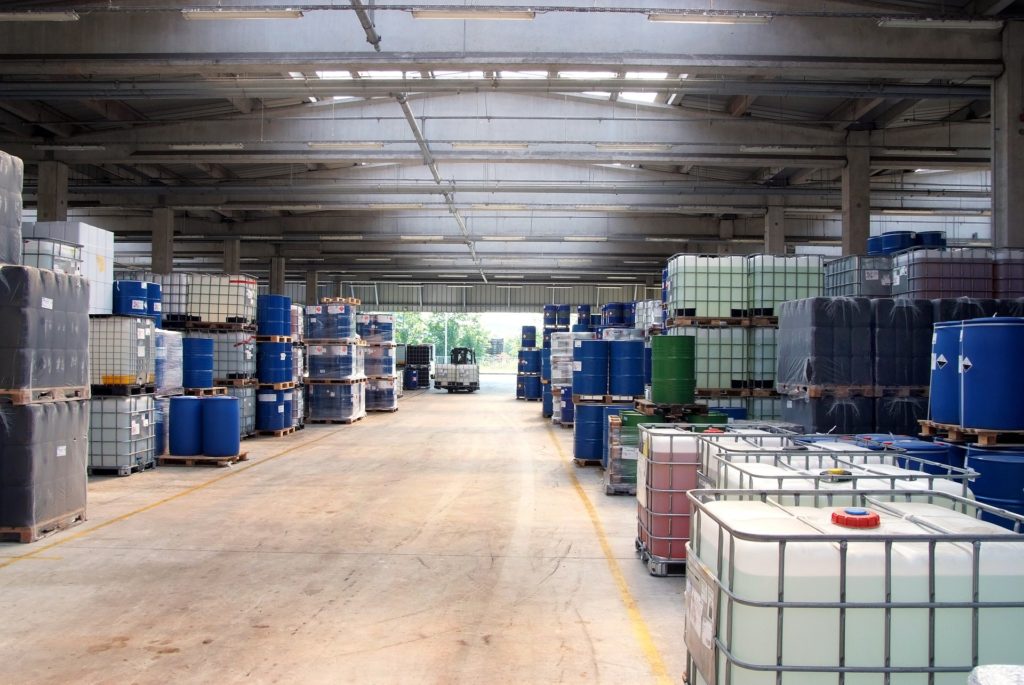
When it comes to proper chemical storage, knowledge and foresight are truly empowering. While many project managers might be tempted to store different classifications of dangerous materials in the same storage locker, they should avoid this practice at their peril. All chemicals have a standardized temperature range to ensure compliant storage. Understanding the nuances of these classifications could save you thousands of dollars in fines, as well as untold death and destruction. And remember, in modern manufacturing, there’s no such thing as a “small fire.”
There were 5,333 fatal work injuries recorded across the United States in 2019—the largest annual number since 2007, the latest figures released by the U.S. Bureau of Labor Statistics revealed.
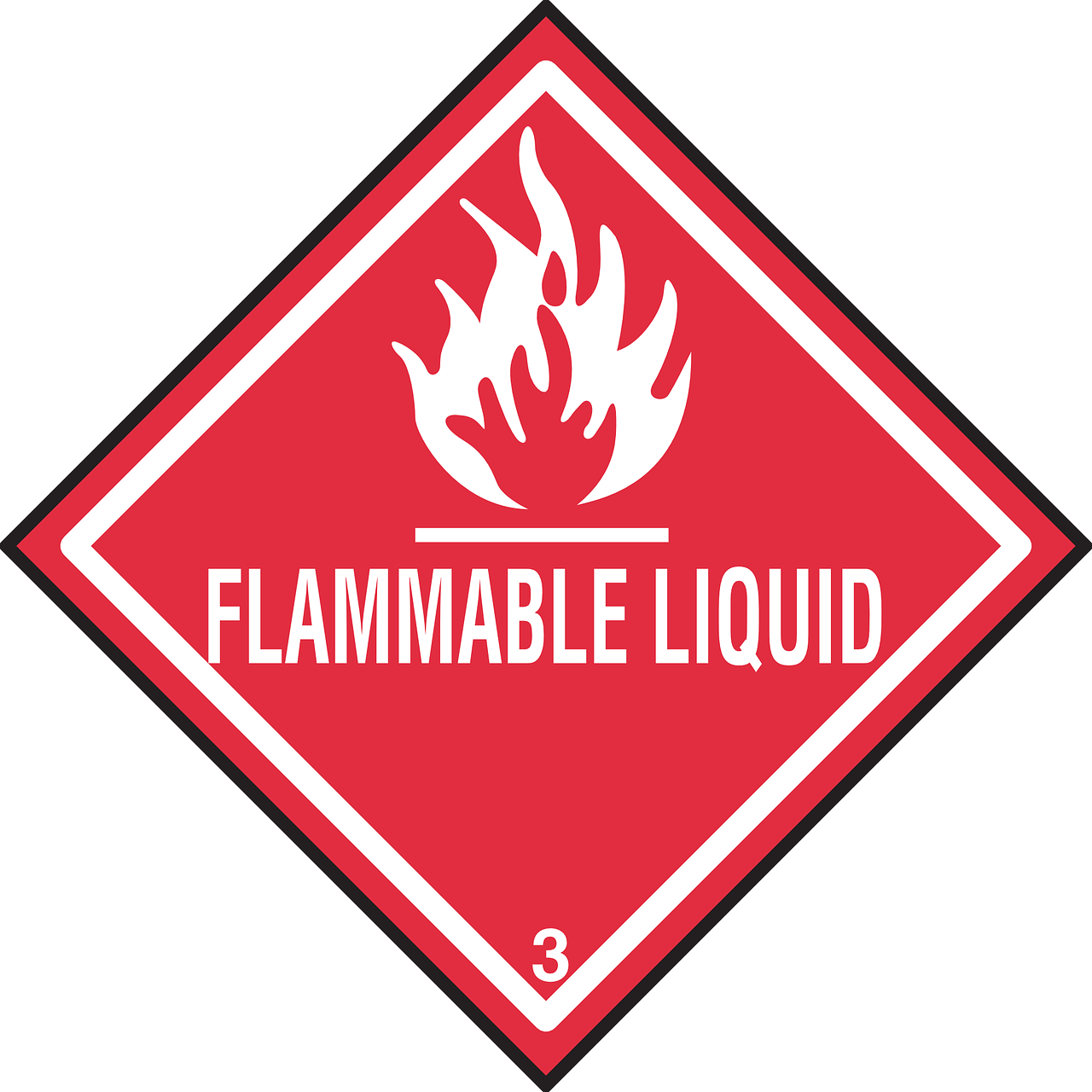
According to OSHA Laboratory Standard 8.2, flammable liquids are those chemicals that have a flashpoint of less than a 100 degrees Fahrenheit, which means they can spontaneously ignite in most working conditions. These fires initiate when enough of vapor escapes to form a lethal air-to-fuel ratio with the surrounding environment. Combustible liquids are those liquids with a flashpoint greater than 100 degrees. While these chemicals do not ignite as easily, they can release volatile mixtures of air with elevated temperatures, according to NFPA 30-1969.
Combustible Liquids
- Diesel fuel
- motor oil
- Acetic Acid
- Kerosene
- Linseed oil
- Ethylene glycol
Flammable Liquids
- Gasoline
- Acetone
- Alcohols
- Diethyl ether
- Automobile fluids
- Paint thinner
Prevent Volatile Fumes From Igniting With Proper Ventilation
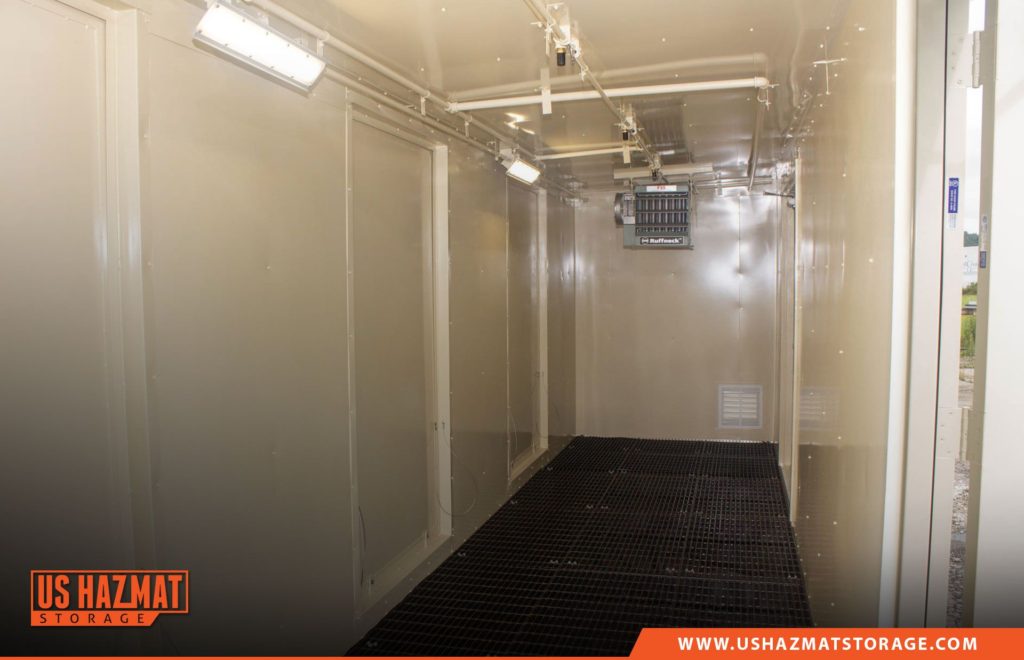
When dealing with dangerous liquid chemicals, it’s important to remember the most prevalent threats are the most dangerous ones. The vapor trails from combustible and flammable liquids most commonly settle and collect in low areas, such as sumps and trenches. To mitigate potential threats, the growing industry consensus recommends chemical storage lockers be equipped with mechanical ventilation to prevent the accumulation of toxic and flammable vapors.
When outfitted with mechanical ventilation systems, U.S. Hazmat Storage’s fire-rated chemical storage lockers can prevent the accumulation of flammable vapor trails. Proper chemical ventilation can prevent any inadvertent catalysts from compromising unstable hazardous materials. Passive and mechanical ventilation isn’t limited to simple chemical storage either. Paint mixing and spray stations can quickly choke airways with dangerous paint fumes and toxins. Mechanical ventilation can quickly and effectively alleviate clogged airways by making six air changes per hour at a rate no less than 1 cubic foot per minute. Understanding proper chemical ventilation can also save countless lives in the future.
Ground Transporting Containers to Reduce Static Charge

In the older and dustier factory settings, tipping and pouring flammable and combustible liquids from a large drum into smaller containers was common practice. Today, this no longer considered practical, let alone safe. Tilting heavy industrial barrels and pouring the contents into smaller spouts takes a lot of strength and incredible accuracy. Even the most careful and diligent workers will invariably spill a drop from time-to-time. And we know what you’re probably thinking. “It’s just one drop, what’s the big deal?” As we stated before, vapors from flammable and combustible materials are more than enough to cause a catastrophic fire.
“An employer’s adherence to safety and health standards, including the proper and safe transfer of flammable liquids, is critical to preventing fire, explosions and other incidents that can seriously or fatally injured workers,” OSHA Albany Area Office Director Robert Garvey said in a release.
When transferring such large payloads to smaller containers, there’s always the risk of a static charge creating a sudden explosion. The build-up of static electricity is possible even while using a hand pump. Even simply wiping down a container can cause a potentially fatal fire, as was the case at this New York manufacturer. As you can see from the video below, a small, yet careless swipe of the rag caused a destructive fire.
Do’s and Don’ts of Compliant Combustible and Flammable Liquid Storage
NFPA 30 Flammable and Combustible Liquids Code and OSHA 29 CFR 1910.106 have developed a comprehensive list of guidelines associated with the proper transfer of liquid chemicals although most sensible practices are common sense.
- Do ensure that all combustible and flammable liquid containers are in good condition and are free of rust or other degradation.
- Don’t attempt to pour dangerous chemicals from large barrels into smaller containers.
- Don’t place liquid storage containers in proximity to potential ignition sources (spark generating equipment, flames, areas conducive to static buildup).
- Do remember to use flammable materials in a fume hood to prevent buildup of vapors.
- Do consider implementing additional safety measures when operating in warmer environments where temperatures could exceed the 100 degree threshold of sudden conflagrations.
- Don’t store more than 10 gallons of flammable liquid external from a storage cabinet, in accordance to NFPA 400.
- Do consider keeping as much liquid as possible in proximity to the source to minimize associated transport risks and worker exposure.
Fire Suppression Systems Can Prevent Fires From Spreading
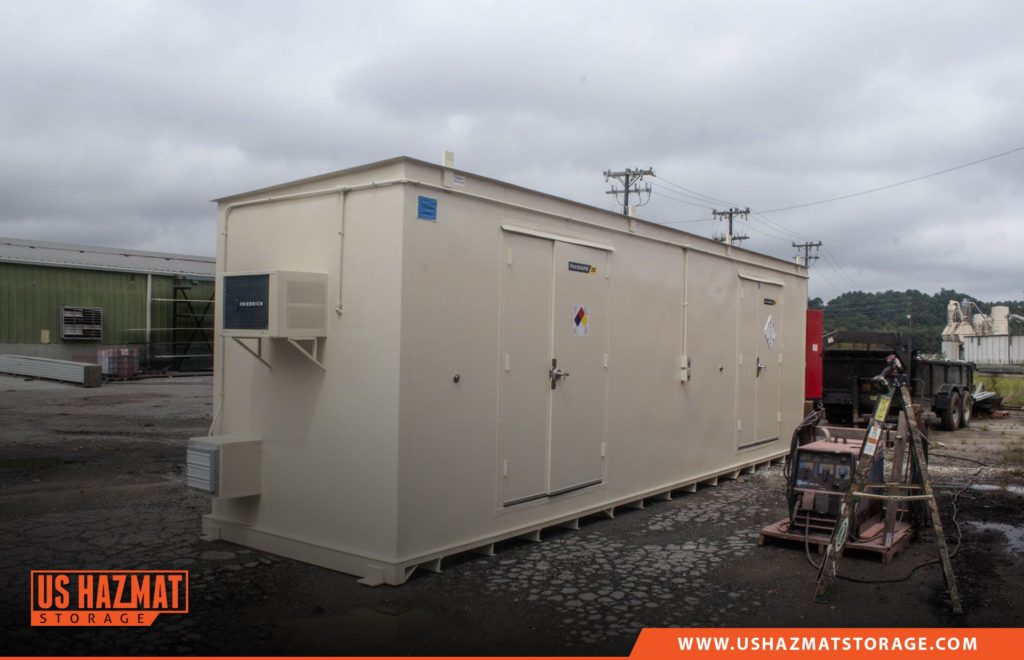
When it comes to storing flammable and combustible materials, separate is truly better. These dangerous chemicals should remain separate from differing classifications and away from errant sparks or accelerants. Our dry chemical fire suppression systems are pre-engineered according to the NFPA 17, built to protect against A, B, and C type fires, and are equipped to offer remote annunciation. This releases tension on the detection cable, which automatically leads to the release of an extinguishing agent through a piping network on the ceiling.
Our fire suppression systems also offer manual pull stations that allow you to activate specific nozzles located closer to the fire. Audible alarm bells are available as well as visual ones.
Frequently Asked Questions About Flammable and Combustible Liquids
What is the flashpoint cutoff between a flammable liquid and a combustible liquid?
Under OSHA 1910.106 and NFPA 30 standards, flammable liquids have flashpoints below 100°F (37.8°C), whereas combustible liquids have flashpoints at or above 100°F (37.8°C).
Does storing combustible liquids require secondary spill containment?
Yes. EPA 40 CFR 264.175 mandates that facilities storing bulk drums or IBC totes of flammable or combustible liquids must provide secondary containment sumps holding at least 10% of total stored volume or 100% of the largest container.
When is mechanical ventilation required for storing flammable liquids?
Mechanical ventilation is required whenever Class I flammable liquids or warm Class II combustible liquids emit volatile vapors that could accumulate inside an enclosed storage space, maintaining vapor levels well below lower explosive limits (LEL).
Secure Your Facility with Certified Liquid Storage Lockers
Mitigate chemical hazards, protect your workforce, and ensure total OSHA and NFPA 30 compliance. Contact us for a custom liquid storage quote or speak directly with our engineering team:
- Direct Phone Support: Call our chemical containment specialists at (800) 555-0199
- Online Quote Request: Submit your drum volume specs for turn-key pricing
- Nationwide Delivery: Direct site delivery and installation available across North America.