
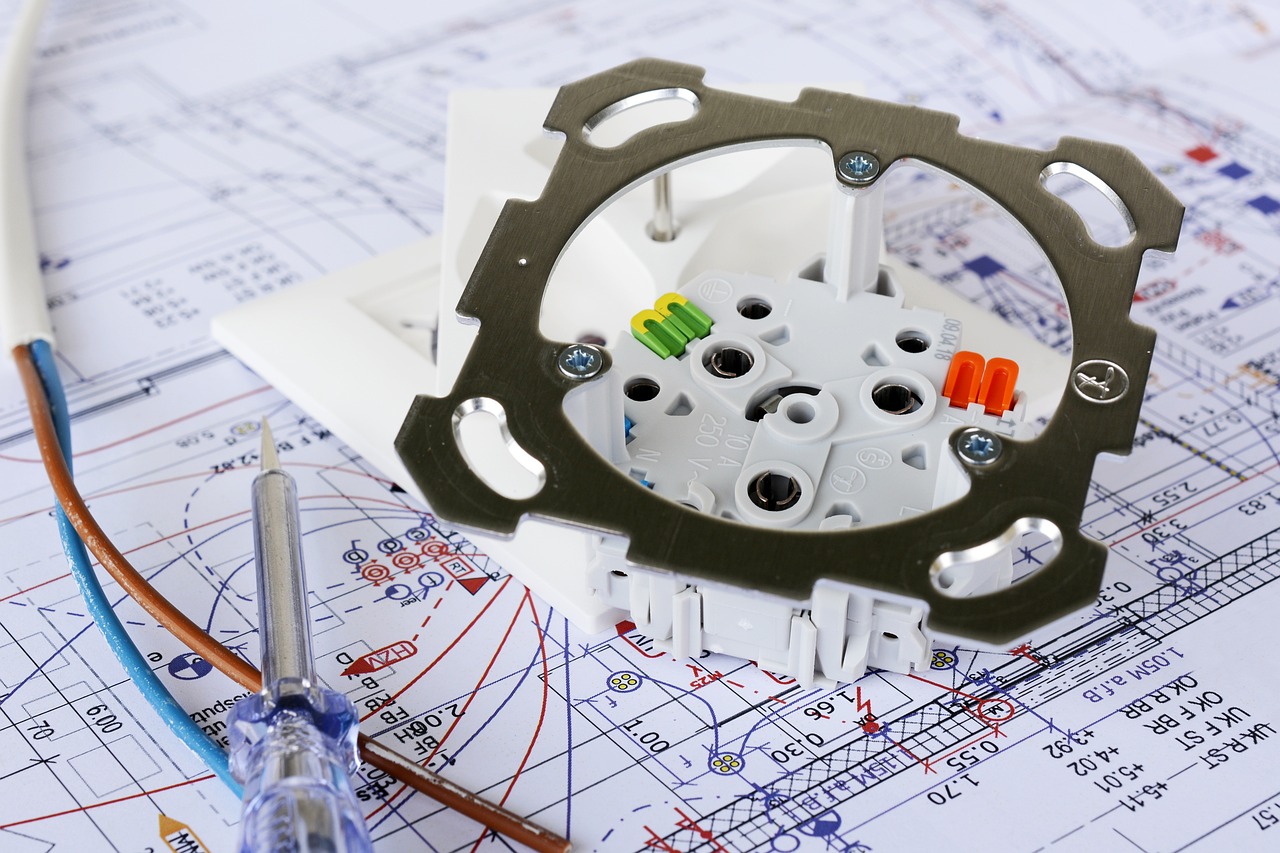
Safety managers and facility engineers must adhere to strict guidelines to prevent catastrophic explosions when working with volatile chemicals. The National Fire Protection Association (NFPA) develops industry standards to minimize workplace hazards. Among these, NFPA 497 provides the recommended practice for the hazardous area classification of flammable liquids, gases, or vapors and electrical installations in chemical process areas.
While NFPA is a standard-setting body, its regulations are heavily referenced by OSHA to enforce legal workplace safety codes. Understanding how NFPA 497 integrates with NFPA 30 compliant storage guidelines is critical for choosing the right electrical equipment and chemical containment structures.
What is a Hazardous Area?
NFPA 497 is unique in that it deals with the proper electrical equipment selection while working in hazardous areas. Understanding and following the NFPA 497 safety standard ensures workplace compliance while making employees cognizant of the inherent risks of using certain electrical equipment near volatile chemicals. NFPA 497 classifies a hazardous area as any area where the immediate atmosphere contains adequate quantities of flammable chemicals, gasses, and vapors that could lead to flashover events. Project managers and workers should always consult NFPA 497 when selecting electrical equipment in hazardous areas.
Who Does NFPA 497 Concern?
NFPA 497 impacts any electrical equipment installer and personnel, as well as equipment manufacturers, or anyone transferring volatile flammable liquids from one container to another. Much of NFPA 497 also concerns securing and safeguarding areas that handle hazardous materials to mitigate potential risks. To fully comprehend NFPA 497 applicability, workers should revisit other relevant NFPA standards, including NFPA 30, which concerns flammable liquids storage limits. Understanding chemical classifications, flashpoints, boiling points, specific chemical incompatibilities, and firefighting procedures will assist personnel in safeguarding hazardous locations before selecting the correct electrical equipment for your specific work area.
Adequate Ventilation
Maintaining adequate ventilation is crucial when safeguarding any hazardous area. If allowed to accumulate, vapors from improperly sealed drums or leaky valves can create a flashover event in a hazardous area with electrical equipment. Our fire-rated chemical storage lockers can mitigate hazards by temporarily removing dangerous chemicals from areas requiring electrical work or equipment installation. These chemical storage lockers are also equipped with mechanical ventilation, which make six air changes per hour, preventing the buildup of toxic and volatile vapors. All U.S. Hazmat Storage lockers can help your company achieve NFPA 497 compliant working conditions. Contact us today for a free quote and consultation.
Practical Tips for NFPA 497 Compliance
Ensuring compliance with NFPA 497 goes beyond understanding the standard—it requires actionable steps and ongoing vigilance. Businesses must adopt a proactive approach to safeguard employees and reduce fire or explosion risks in hazardous areas.
Key practices include:
Regular Inspections: Periodically inspect all electrical equipment used in hazardous areas. Replace or repair components showing wear, corrosion, or malfunction to prevent accidental ignition.
Chemical Storage Audits: Maintain detailed records of all flammable liquids and gases. Verify compatibility and proper segregation to minimize the risk of dangerous reactions.
Personnel Training: Educate staff about hazardous area classification, safe equipment operation, and emergency procedures. Knowledgeable employees are your first line of defense against accidents.
Clear Signage & Restricted Access: Mark hazardous areas with visible signage, and restrict access to authorized personnel only. This ensures everyone in the workplace is aware of potential risks.
Ventilation Verification: Continuously monitor ventilation systems in hazardous areas to ensure optimal airflow and prevent accumulation of vapors.
Adhering to these measures transforms compliance from a checklist into a culture of safety, reinforcing both operational efficiency and employee well-being.
Advanced Storage Solutions for Hazardous Chemicals
Modern chemical storage is a critical component of NFPA 497 compliance. Fire-rated storage lockers and ventilated cabinets not only reduce the risk of vapor buildup but also provide secure, organized storage for flammable substances.
Benefits Of Using Specialized Storage Systems:
Controlled Environment: Ensures chemicals are stored away from ignition sources and minimizes vapor exposure.
Mechanical Ventilation: Systems providing multiple air changes per hour prevent accumulation of volatile fumes.
Easy Accessibility: Designed for quick access during operations while maintaining safety standards.
Compliance Assurance: Meets NFPA 497 recommendations, giving safety officers and management confidence in workplace safety.
Investing in such storage solutions is a proactive step in minimizing fire hazards and ensuring regulatory compliance across all chemical handling areas.
Integrating NFPA 497 into Workplace Safety Programs
To maximize the effectiveness of NFPA 497, integrate its requirements into your broader safety protocols. A robust program ensures consistent compliance and strengthens your organization’s safety culture.
Implementation strategies:
Risk Assessment: Conduct thorough hazard assessments for all work areas with flammable substances. Identify potential ignition sources and vulnerable zones.
Standard Operating Procedures (SOPs): Develop SOPs that incorporate NFPA 497 guidelines for electrical equipment selection, chemical handling, and storage protocols.
Regular Training & Drills: Schedule periodic training sessions and emergency response drills tailored to hazardous area scenarios.
Documentation & Auditing: Maintain detailed logs of inspections, training sessions, and chemical inventories. Conduct internal audits to ensure adherence to NFPA 497 standards.
Integrating NFPA 497 into everyday operations not only protects employees but also demonstrates corporate responsibility and strengthens credibility with regulators and insurance providers.
Frequently Asked Questions About NFPA 497
What types of chemicals fall under NFPA 497 compliance?
NFPA 497 covers flammable liquids, combustible liquids, and flammable gases or vapors processed or stored in industrial environments, including solvents, gasoline, ethanol, and industrial gases.
How does NFPA 497 differ from NFPA 30?
NFPA 30 governs the safe storage, handling, and allowable quantities of flammable liquids, whereas NFPA 497 specifically addresses hazardous area classification for selecting and installing electrical equipment safely in chemical process areas.
Does NFPA 497 cover both new and existing electrical installations?
Yes. NFPA 497 guidelines apply to both newly constructed facilities and retrofitted electrical installations in classified hazardous areas.
Prioritize Safety with NFPA 497
NFPA 497 is more than a set of guidelines-it is a framework for safety, compliance, and risk mitigation in hazardous environments. By following its principles, implementing advanced storage solutions, and integrating best practices into workplace safety programs, organizations can protect employees, prevent costly accidents, and maintain regulatory compliance.
Proactive adoption of NFPA 497 demonstrates expertise, credibility, and a strong commitment to workplace safety, establishing your organization as a leader in chemical hazard management.
Safeguard Your Facility with NFPA-Compliant Storage Solutions
Mitigate fire risks and ensure complete compliance with NFPA 497 and OSHA standards. US Hazmat Storage engineers custom fire-rated chemical storage lockers with explosion-proof electrical systems tailored to your facility’s exact requirements.
- Direct Phone Support: Call our chemical safety specialists today at (800) 555-0199
- Online Quote: Request a free quote for custom hazmat storage https://ushazmatstorage.com/contact-us/
- Nationwide Delivery: Full compliance delivery available across the United States.