
In a world where preparedness and secure storage are becoming increasingly important, underground shipping container bunkers are emerging as a practical and cost-effective solution. Whether for emergency preparedness, secure storage, or private retreats, these innovative structures combine durability, affordability, and versatility. In this guide, we will explore everything you need to know about underground shipping container bunkers from design and construction to safety, usability, and long-term maintenance.
What is an Underground Shipping Container Bunker?
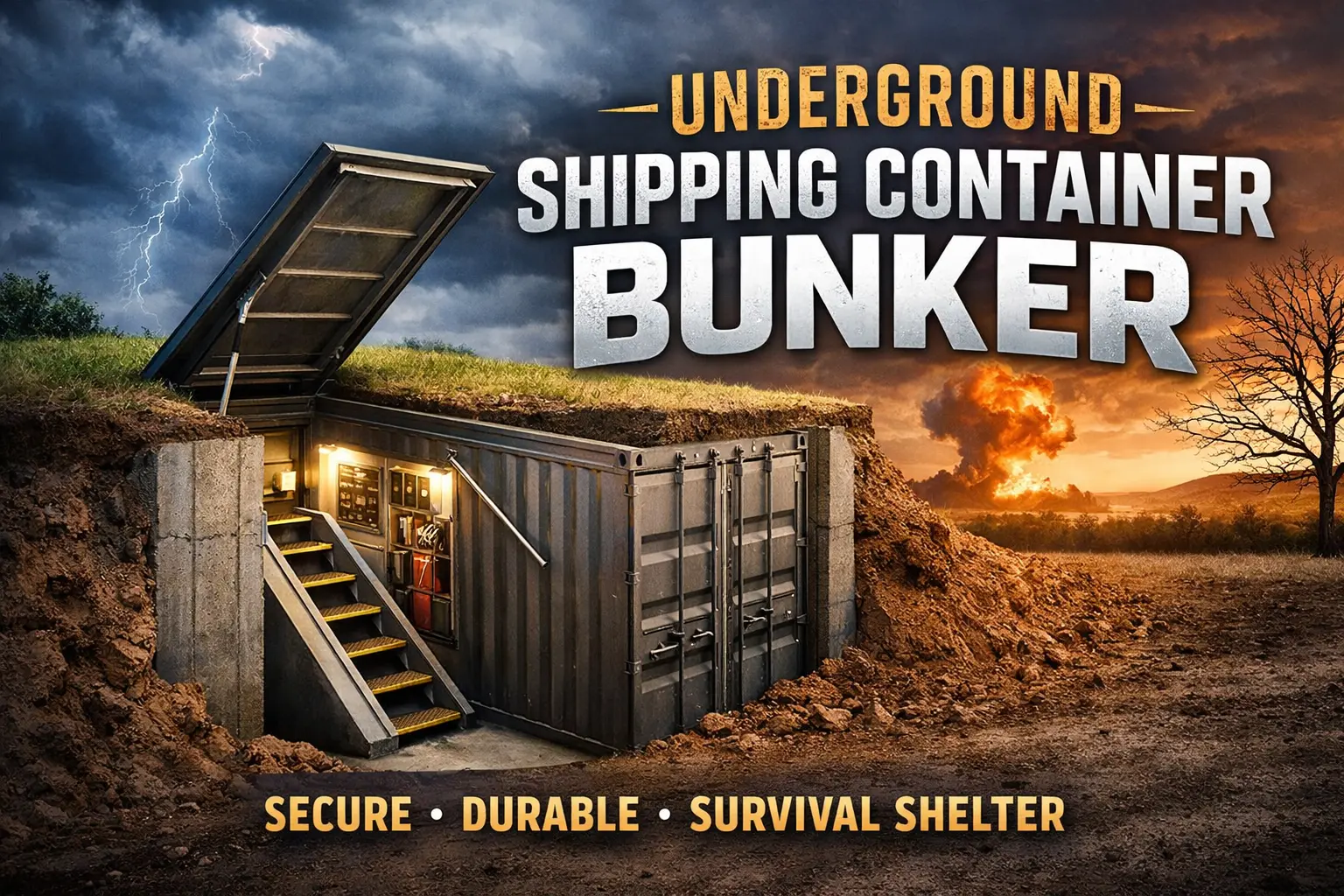
An underground shipping container bunker is essentially a repurposed steel shipping container installed below ground to provide a secure, durable, and weather-resistant storage or living space. Unlike traditional basements, these bunkers are prefabricated and highly customizable, offering protection against natural disasters, intrusions, and extreme weather conditions.
Shipping containers are made from corten steel, which is corrosion-resistant and engineered to withstand harsh marine environments. This inherent strength, combined with underground installation, creates a shelter that is not only discreet but also remarkably resilient.
Key Benefits at a Glance:
- Structural durability against earthquakes, floods, and storms
- Discreet, low-profile design that blends into the landscape
- Customizable interiors for storage, living, or emergency shelters
- Faster and more cost-effective than building a traditional underground bunker
Why Choose a Shipping Container for an Underground Bunker?
Traditional underground bunkers often require concrete construction, extensive excavation, and significant costs. Shipping containers, however, offer several advantages:
- Strength and Durability: Designed to carry heavy cargo across oceans, shipping containers can withstand significant pressure and external forces.
- Cost Efficiency: Containers are widely available and affordable compared to custom concrete structures.
- Modular Flexibility: They can be stacked, connected, or modified to suit specific needs, from simple storage to fully-equipped living spaces.
- Rapid Installation: Pre-fabrication means most of the work is done off-site, reducing construction time and disruptions.
- Eco-Friendly Option: Repurposing containers reduces industrial waste and promotes sustainable construction practices.
By using shipping containers as underground bunkers, homeowners, survivalists, and businesses can combine efficiency with reliability, creating a long-lasting solution for secure storage or emergency preparedness.
Planning Your Underground Container Bunker
Proper planning is essential to ensure safety, functionality, and longevity. Before beginning construction, consider the following factors:
1. Site Selection
Choosing the right location is crucial. Look for areas with stable soil, minimal risk of flooding, and easy accessibility. Avoid areas prone to landslides or heavy water accumulation.
2. Size and Layout
Shipping containers typically come in 20-foot or 40-foot lengths. Decide whether you need a single container or multiple connected units. Interior layouts should account for ventilation, electrical systems, plumbing (if required), and emergency exits.
3. Permits and Regulations
Many municipalities have strict building codes for underground structures. Check local regulations regarding zoning, construction, and safety before excavation begins.
4. Excavation and Foundation
A secure foundation prevents water seepage and structural movement. Excavation must consider proper drainage systems, such as French drains or sump pumps, to protect against flooding. Reinforced concrete footings or gravel beds are commonly used to stabilize containers underground.
Construction Process: From Container to Bunker
Creating an underground shipping container bunker involves several critical steps. The construction process requires precision and expert knowledge to ensure structural integrity and safety.
1. Container Preparation
Before installation, the container must be reinforced and modified. Common modifications include:
- Cutting access doors and emergency exits
- Installing ventilation systems to prevent condensation and ensure air circulation
- Adding insulation and waterproofing layers to maintain comfortable interior conditions
- Reinforcing the roof and walls to withstand the surrounding soil pressure
2. Waterproofing and Corrosion Protection
Even corten steel can be vulnerable to prolonged underground exposure. To ensure longevity:
- Apply high-quality marine-grade paints or coatings
- Install drainage and waterproof membranes around the container
- Consider a protective concrete shell or reinforced soil backfill for added durability
3. Installation and Backfilling
The container is lowered into the excavated site using cranes. Once in place, backfilling with soil or gravel is done carefully to avoid structural stress. Proper grading ensures water flows away from the bunker, reducing the risk of flooding.
Safety Features of Underground Container Bunkers
Safety is the primary reason most people invest in underground bunkers. Shipping container bunkers can be equipped with a range of features to protect occupants and stored goods.
- Blast and Impact Resistance: Steel walls provide a shield against explosions or accidental impacts.
- Fire-Rated Design: With appropriate insulation and fireproof coatings, containers can resist high temperatures.
- Flood Mitigation: Elevated foundations, sump pumps, and drainage channels prevent water accumulation.
- Secure Entrances: Reinforced doors with secure locks keep intruders out while maintaining emergency egress.
- Air Filtration Systems: High-quality ventilation systems prevent stale air and contaminants from accumulating underground.
Interior Design and Customization
One of the most appealing aspects of underground container bunkers is their adaptability. Interiors can be customized to fit your specific needs.
- Storage: Adjustable shelving, climate-controlled zones, and secure compartments are ideal for valuables, food, or equipment.
- Emergency Shelter: Beds, water storage, emergency supplies, and communication systems make the bunker ready for unforeseen events.
- Living Spaces: Advanced bunkers can feature electricity, plumbing, bathrooms, and even small kitchens for long-term habitation.
- Workshops or Laboratories: With proper ventilation and insulation, containers can be transformed into safe, climate-controlled workspaces.
Using an industry-first design approach, interiors should balance comfort, safety, and usability. This ensures that anyone using the bunker finds it functional and intuitive, even in high-stress situations.
Maintenance Tips for Longevity
Even the most well-constructed underground bunker requires periodic maintenance to ensure durability:
- Inspect ventilation systems and replace filters regularly
- Check for moisture intrusion or rust on steel surfaces
- Monitor sump pumps, drainage channels, and waterproof membranes
- Clean and organize storage areas to maintain accessibility
- Ensure emergency supplies are up-to-date
Regular maintenance not only extends the life of the bunker but also ensures that it remains fully functional when needed.
Common Myths About Underground Shipping Container Bunkers
There are many misconceptions about using shipping containers as underground structures. Let’s clarify a few:
- “Containers will collapse underground.”
Properly reinforced containers with backfill and drainage can withstand significant soil pressure. - “Steel containers rust quickly.”
With high-quality coatings and waterproofing, corrosion is minimal, even underground. - “They are only for extreme survivalists.”
Modern container bunkers are versatile, serving as storage, workshops, wine cellars, or even recreational retreats.
Dispelling these myths is important to help potential users make informed decisions based on practical and scientific understanding.
Cost Considerations
Costs vary depending on size, modifications, and location. Factors influencing price include:
- Container purchase or rental costs
- Excavation and site preparation
- Reinforcements and modifications
- Ventilation, insulation, and interior finishing
- Professional installation and compliance with building codes
On average, a 20-foot underground container bunker can cost between $15,000 and $40,000, while larger, fully customized units can exceed $75,000. Despite the initial investment, they are often cheaper and faster than traditional underground bunkers.
Why Underground Container Bunkers are Future-Ready
In an era of increasing environmental uncertainty, underground shipping container bunkers offer a reliable solution for personal security, property protection, and emergency preparedness. Their modularity, durability, and affordability make them highly adaptable to future needs.
From protecting valuable equipment and documents to providing a safe haven during natural disasters, these bunkers serve as practical, innovative solutions for homeowners, businesses, and survival enthusiasts alike.
Moreover, they align with sustainable construction practices, repurposing industrial materials while minimizing environmental impact. For anyone looking to invest in a long-term secure space, underground shipping container bunkers are an intelligent and future-ready choice.
Final Thoughts
Underground shipping container bunkers merge practicality, durability, and adaptability in a way few other structures can. By focusing on thoughtful planning, structural integrity, and user-focused design, these bunkers provide peace of mind, security, and long-term value.
Whether your goal is emergency preparedness, secure storage, or simply creating a private retreat, a well-designed container bunker offers a reliable, resilient solution that balances safety, efficiency, and affordability.
Investing in an underground shipping container bunker is not just about protection, it’s about creating a functional, flexible, and sustainable space that serves your needs for years to come.
FAQs About Underground Shipping Container Bunkers
1. What is an underground shipping container bunker and how does it work?
An underground shipping container bunker is a repurposed steel shipping container installed below ground to provide secure, weather-resistant storage or shelter. Its steel structure, combined with proper reinforcement, drainage, and waterproofing, ensures protection against floods, storms, and intrusions while allowing ventilation and optional living or storage space.
2. Are underground container bunkers safe during natural disasters?
Yes. When properly constructed, container bunkers are highly resistant to floods, high winds, and even earthquakes. Reinforced walls, waterproof coatings, and drainage systems make them durable against natural disasters while providing a safe interior environment for stored items or occupants.
3. How much does an underground shipping container bunker cost?
Costs vary depending on size, modifications, and location. On average, a 20-foot bunker can cost $15,000–$40,000, while larger or fully customized units can exceed $75,000. Factors affecting price include excavation, reinforcements, waterproofing, ventilation, and interior finishing.
4. Can a shipping container bunker be used as a living space?
Absolutely. With proper insulation, ventilation, plumbing, and electrical installation, underground containers can serve as emergency shelters, living spaces, or even recreational retreats. Interior customization can include bedrooms, bathrooms, kitchens, and storage areas.
5. How do you prevent flooding in an underground shipping container bunker?
Flood prevention involves proper site selection, drainage systems, sump pumps, and waterproof coatings. Containers should be elevated on reinforced footings, and the surrounding soil should slope away from the bunker to divert water. Regular maintenance ensures long-term protection.
6. Do underground shipping container bunkers require maintenance?
Yes. Maintenance includes inspecting ventilation and filtration systems, checking for rust or moisture intrusion, ensuring sump pumps and drainage are functioning, and keeping interior storage organized. Regular upkeep prolongs the life of the bunker and ensures readiness in emergencies.
7. Can multiple shipping containers be combined for a larger underground bunker?
Yes. Containers can be stacked or connected to create larger underground complexes. Modular design allows for multiple rooms, customized layouts, and functional zones for storage, living, or emergency purposes while maintaining structural integrity.
8. Are shipping container bunkers environmentally friendly?
Repurposing shipping containers for underground bunkers reduces industrial waste and promotes sustainable construction practices. Additionally, modular and prefabricated design reduces excavation and material usage compared to traditional concrete bunkers.
9. How long does it take to build an underground container bunker?
Construction timelines vary depending on size, modifications, and site conditions. Most projects can be completed in 4–12 weeks, including excavation, container modifications, waterproofing, backfilling, and interior setup.
10. What safety features should an underground bunker include?
Essential safety features include reinforced doors, emergency exits, fire-rated walls, ventilation systems, sump pumps for flood prevention, and secure locks. For long-term living or emergency use, consider air filtration, backup power, and water storage systems.