
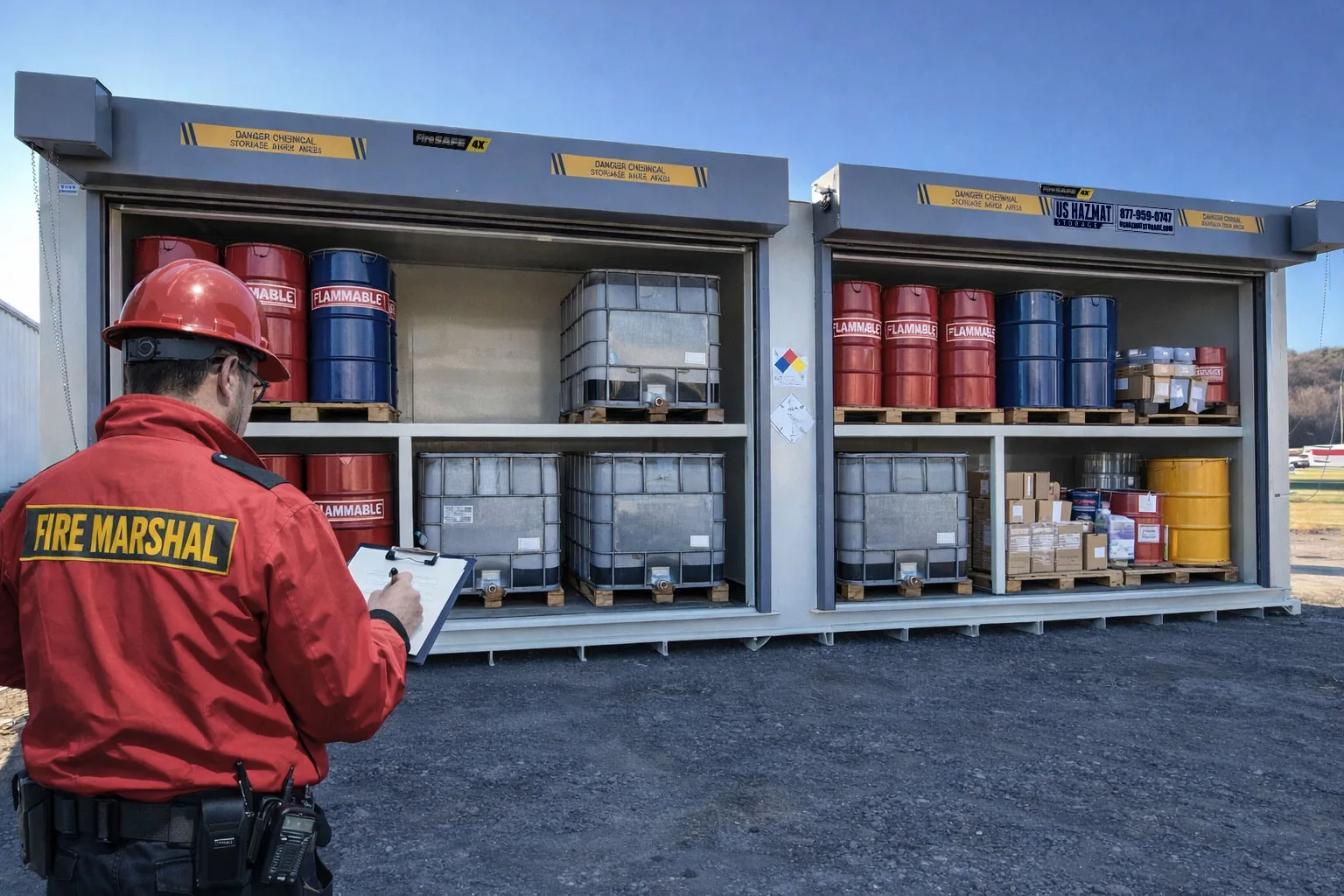
Navigating fire marshal inspections is crucial for facilities handling hazardous materials. Compliance with fire safety standards not only prevents fines but also ensures the safety of personnel and property.
Why Compliance Matters
Compliance with fire marshal inspection requirements is essential for any facility handling hazardous materials. Non-compliance can lead to significant fines, operational shutdowns, and increased fire hazards, posing risks to both personnel and the environment. Agencies like OSHA, EPA, NFPA, and IFC set stringent guidelines to ensure safety and environmental protection.
Key Regulatory Frameworks
Understanding the regulatory frameworks is crucial for compliance. OSHA provides guidelines for workplace safety, while the EPA focuses on environmental protection. NFPA and IFC set standards for fire safety, including the storage and handling of hazardous materials. Familiarity with these codes, such as NFPA 30 for flammable liquids and NFPA 855 for energy storage systems, is vital for passing inspections.
Common Compliance Failures
Common compliance failures include inadequate containment systems, improper indoor storage, lack of fire-rated separation, and insufficient ventilation. Facilities often overlook the specific requirements for lithium battery storage, which can lead to thermal runaway incidents if not properly managed.
Lithium Battery / ESS Risks
Lithium batteries pose unique risks, such as thermal runaway, which can lead to fires and explosions. Compliance with NFPA 855 and IFC 1207 is essential for safe storage and handling. Facilities must prioritize engineered isolation and building solutions, like US Hazmat’s Damage Control & Repair Station (DCRS), to mitigate these risks effectively.
Fire-Rated Storage Explained
Fire-rated storage buildings are designed to contain fires for a specified period, typically 2-hour or 4-hour ratings. These structures are crucial for facilities storing flammable materials, ensuring safe distances from exposures and meeting insurance requirements.
Inspection & Insurance Readiness
Preparing for fire marshal inspections involves ensuring documentation is up-to-date and facilities meet all safety standards. A comprehensive checklist covering containment, separation, and ventilation is essential. Insurance carriers also require compliance to mitigate risks and reduce premiums.
Damage Control & Repair Infrastructure (DCRS)
Facilities handling hazardous materials must have dedicated infrastructure for damaged material isolation and repair. The Damage Control & Repair Station (DCRS) from US Hazmat Storage provides a controlled environment for managing damaged materials safely. These structures offer secondary containment, proper ventilation, and compliant workflows, ensuring safety and regulatory adherence.
Request a DCRS building quote today to enhance your facility’s safety and compliance.
US Hazmat Storage Systems vs Custom Construction
Choosing US Hazmat Storage systems over custom construction offers numerous benefits, including faster timelines, cost-effectiveness, and guaranteed compliance. Our turnkey solutions encompass design, engineering, manufacturing, and installation, ensuring nationwide delivery and adherence to all safety standards.
Use Case Scenarios
- Manufacturing: Safe storage of raw materials and chemicals.
- Utility/Energy: Compliant storage for lithium batteries and energy systems.
- Construction Jobsite: Temporary yet compliant storage solutions for hazardous materials.
CTA SECTION
Ensure your facility is ready for fire marshal inspections with US Hazmat’s compliant storage solutions. Request a quote or view our fire-rated storage buildings today. For facilities dealing with damaged materials, explore our Damage Control & Repair Station (DCRS) options.
Conclusion
Meeting fire marshal inspection requirements is not just about avoiding fines; it’s about ensuring the safety of your facility and personnel. With US Hazmat Storage’s compliant solutions, you can achieve peace of mind knowing your hazardous materials are stored safely and in compliance with all regulatory standards.
Next step for operators: Map layouts and document controls using the Hazmat Storage App.